
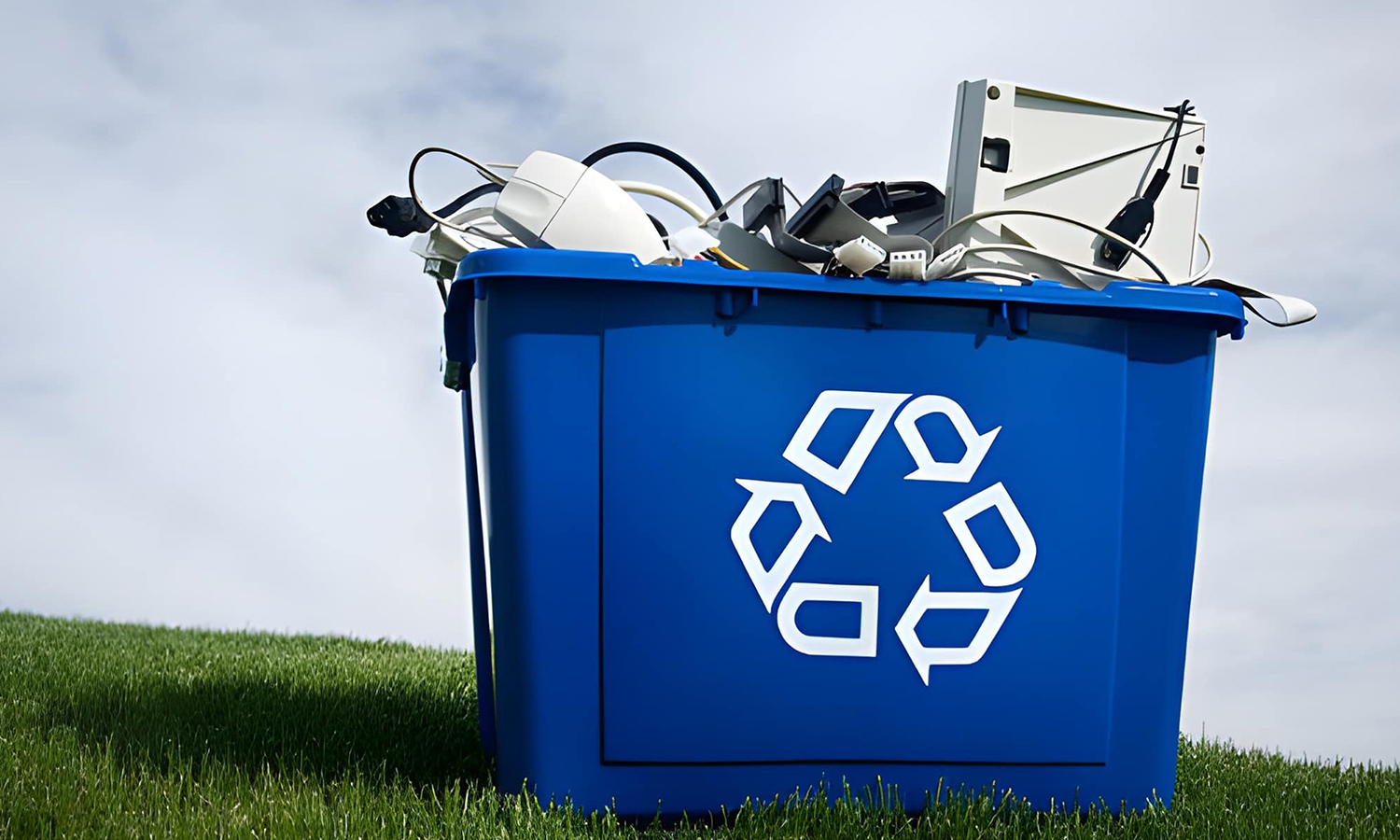
As businesses upgrade and refresh their tech fleet, they are routinely retiring their laptops, desktops, servers, networking equipment, and other electronic devices. Deciding what happens to these assets is an important part of IT asset lifecycle management. There are many types of devices that can be repurposed within the organization; some others might have value for resale, and if they are obsolete or damaged, they may be recycled in a responsible way.
Deciding on the end-of-life choice involves more than just determining if the device is still functional. Equipment condition, remaining useful life, market value, data security, and environmental impact are all factors to consider for businesses.
According to the Global E-waste Monitor 2024, the world generated 62 million tonnes of electronic waste in 2022, but only 22.3% was documented as formally collected and recycled in an environmentally sound manner. A structured IT asset disposition (ITAD) strategy can help businesses recover value, protect sensitive information, and manage retired electronics responsibly.
Understand the Three End-of-Life Paths for IT Assets
There are different types of reuse, resale, and recycling. Each asset must be evaluated to determine for the business which option has the greatest operational value, financial recovery and environmental responsibility.
1. Reuse: Extend the Life of Functional Equipment
Reuse involves keeping equipment in service rather than replacing it unnecessarily. Businesses can repurpose appropriate machines, such as a laptop, desktop, and more, for other applications, departments, or sites that have less stringent needs.
When cost is a factor, upgrading, replacing worn-out or refurbishing parts or devices can extend useful life. It is also possible to donate functional IT equipment to an organisation which could benefit from it if it is required and secured properly.
Best for: Functionality that is required for current and existing equipment – performance, compatibility and security aspects.
2. Resale: Recover Value From Retired Equipment
Business equipment that is no longer used is not necessarily without value. Devices such as laptops, desktop computers, servers, and networking gear can be assessed in regard to the following: specification, age, condition, and market demand.
Prior to putting products on sale, companies need to take into account expenses such as testing, repairs, data destruction and sanitization, logistics and selling costs to determine the actual monetary gain. Once the data is transferred to the ownership of a buyer, it is vital to ensure data is removed and the record of the asset is accurate.
Applications: Functional or economically suitable equipment that has a reasonably large market and is expected to have a net recovery value.
3. Recycling: Recover Materials From End-of-Life Equipment
Recycling should be considered when equipment is no longer economical to repair, has been damaged, or is no longer suitable for use. Responsible electronics recyclers smelt, shred, or dismantle electronics to recover materials like copper, aluminum, plastics, and certain precious metals.
Batteries, circuit boards and other parts must also be handled properly for recycling. The companies should select providers who adhere to the downstream and recognized environmental processing requirements.
Applied to: Equipment which cannot be economically or safely re-used or re-sold.
These choices can be combined in a single IT asset disposition program. One refresh of equipment can yield equipment for internal redeployment, resale, donation, and recycling.
Key Factors to Consider Before Choosing an End-of-Life Path
When it comes to disposal of retired IT assets, there are a number of considerations that should be taken into account.
- Equipment condition: Inspect for functionality, physical damage, need for repairs, and check if they are compatible with existing software and security protocols.
- Remaining useful life: If the equipment can support the needs of another user for a reasonable period of time.
- Residual market value: Pose the questions of what the proceeds will be from resale versus the costs of refurbishing, testing, sanitizing, transporting, and selling it.
- Information security: Determine what kind of information is sensitive and how the media used to store it will be sanitized and results verified.
- Environmental impacts: Where possible, prolong the life of the equipment and recycle responsibly if further use is not feasible.
- Business and regulatory needs: Examine internal policies, contractual requirements, relevant data protection requirements and electronic waste regulations.
The decision of where assets go should not be based on age. An older laptop that is not severely damaged or doesn’t have a security feature compatible with our security systems may be suitable for redeployment as an inner laptop, while a newer laptop that is severely damaged or lacks a security feature that is not supported by our security systems may not be suitable for continued use.
In addition to considering the resale price and recycling revenue, businesses should also look at the overall cost and risk of each option.
A Practical Decision Framework for Retired IT Assets
A steady evaluation system enables companies to assign each device to the most suitable location.
| Asset condition or situation | Recommended path | Key consideration |
| Functional device that meets current business needs | Internal reuse | Compatibility and security |
| Working device with resale demand | Resale | Net recovery value |
| Functional equipment suitable for a recipient | Donation or reuse | Recipient requirements and secure preparation |
| Repairable device with reasonable recovery potential | Repair, then reuse or resale | Repair cost versus expected value |
| Obsolete or uneconomical-to-repair equipment | Recycling | Responsible material recovery |
| Device that cannot be reliably sanitized | Secure assessment and possible media destruction | Data security before disposition |
There are five steps that businesses can take in implementing this framework:
- Record and evaluate: Document asset tags, serial numbers, specifications, age and condition.
- Assess data security: Identify data-bearing elements and what sanitization/destruction is required.
- Estimate recovery value: When considering refurbishment costs, potential resale value and benefits of the refurbishment within the company, make a comparison.
- Select destination: Based on the condition and risk level, decide to re-use, re-sell, donate or recycle the device.
- Record the results: Document sanitising, transfers, sales and final disposal.
It can help organizations prevent the unnecessary recycling of reusable equipment or the unwanted additional repair expenses incurred where assets are not likely to be recovered.
How to Prepare IT Assets for Reuse or Resale
Before equipment is redeployed, donated, or sold, businesses should follow a controlled preparation process to protect data and ensure devices are ready for their next users.
- Inventory and inspect: Record asset tags, serial numbers, specifications, and physical condition. Identify missing components or necessary repairs.
- Back up required information: Follow approved data retention policies and transfer any business information that must be preserved.
- Sanitize storage media: Apply an appropriate method based on the storage technology, data sensitivity, and applicable requirements. NIST SP 800-88 Rev. 2 provides guidance for developing media sanitization procedures.
- Test and refurbish: Verify hardware functionality, replace necessary components, and confirm that the device meets the intended user’s needs.
- Remove organizational access: Address company accounts, device enrollment, management profiles, and other organizational configurations.
- Document the transfer: Record the sanitization outcome, asset identifiers, recipient or buyer, and final disposition.
These steps help businesses prepare equipment for its next use without compromising sensitive information or losing asset accountability.
How Responsible E-Waste Recycling Supports Sustainability
When IT equipment reaches the end of its useful life, responsible recycling helps recover materials and reduces the need to extract additional raw resources.
The process typically involves collecting and sorting equipment, removing components that require specialized handling, and processing suitable materials for recovery. Copper, aluminum, selected precious metals, and plastics may be recovered depending on the equipment and recycling process.
Businesses should ensure that batteries, circuit boards, and other components receive appropriate treatment. They should also avoid informal disposal methods that can expose workers and communities to hazardous substances.
The U.S. Environmental Protection Agency recommends considering donation, reuse, and repair where practical before recycling electronics. However, recycling remains essential when equipment cannot be safely or economically used again.
When selecting a recycling provider, businesses should review its environmental practices, downstream processing controls, and documentation. Responsible recycling helps organizations manage electronic waste while supporting resource conservation.
How to Choose an ITAD and E-Waste Recycling Partner
An experienced IT asset disposition provider can help businesses manage equipment assessment, secure data destruction, value recovery, and responsible recycling through a coordinated process.
Before choosing a provider, evaluate the following:
- Certifications and qualifications: Verify relevant certifications, their scope, and the facilities covered.
- Data security procedures: Ask about sanitization methods, physical destruction, verification, and reporting.
- Asset tracking: Confirm that equipment can be tracked from collection through final disposition.
- Value recovery: Request transparent reporting on resale proceeds, refurbishment costs, and service fees.
- Environmental controls: Review downstream recycling partners and their handling practices.
- Documentation: Ensure the provider can supply appropriate records for transfers, sanitization, resale, and recycling.
Certifications such as R2v3 and e-Stewards can help businesses evaluate electronics recycling providers. Verify that the certification applies to the relevant operations and services rather than assuming every service offered is covered.
The right partner should support the organization’s security, financial, and sustainability goals while providing clear visibility into where retired assets go.
Need a reliable end-of-life strategy for business electronics? Partner with an ITAD provider that prioritizes data security, asset recovery, and responsible recycling.
Conclusion
Choosing between reuse, resale, and recycling requires businesses to consider equipment condition, data security, financial recovery, and environmental impact. A structured IT asset disposition process helps organizations extend the useful life of suitable devices, recover value from marketable equipment, and responsibly recycle assets that have reached the end of their useful life.
Frequently Asked Questions
Compare the expected resale value or reuse benefits against repair, testing, data sanitization, transportation, and handling costs. This helps identify which assets are worth retaining, selling, donating, or recycling.
Keep unverified assets on hold until their ownership, serial numbers, storage components, and security requirements are confirmed. Reconcile the records before authorizing final disposition.
Yes. Functional equipment that meets the recipient’s needs can be donated after appropriate data sanitization, testing, and documentation. Businesses can explore Teknext’s IT equipment donation program to give eligible retired technology a useful second life.
Yes. A single equipment refresh can include redeployment of suitable devices, resale of marketable assets, donation of eligible equipment, and recycling of obsolete or uneconomical items. Each asset should be assessed individually and its final destination documented.
Review the policy during major technology refreshes, organizational changes, and updates to security or regulatory requirements. Periodic reviews can also identify gaps in asset tracking, vendor oversight, and final disposition records.